Expert GSA SER Protocols to Maximise Search Success
Google now utilizes mobile versions of pages for indexing and ranking. Guarantee your mobile experience is flawless: Fast filling times (under 3 seconds) Easy navigation and form completion Understandable text without zooming Touch-friendly buttons and links Driving traffic is just half the battle. The very best agencies optimize every action of the visitor journey to optimize list building from their SEO efforts.
Link from high-traffic blog site posts to: Service pages Case studies Complimentary assessment pages Lead magnets Carry out exit-intent popups on your highest-traffic pages. Offer something important like a free audit, market report, or assessment. Exit-intent popups can recuperate 10-15% of abandoning visitors when done correctly. Rather of asking for all contact info upfront, use progressive profiling to slowly collect more data about leads over several interactions.
Use tools like HubSpot or Pardot to track visitor habits and automatically change kind fields based upon previous interactions. The agencies that dominate long-lasting are obsessive about measurement and continuous optimization. Don't simply determine traffic and rankings. Track metrics that straight correlate with earnings: Certified leads from natural search Cost per lead from SEO Consumer life time worth of SEO leads Time from very first see to conversion Implement appropriate attribution tracking to understand the full consumer journey.
Professional SEO Link Building in 2026
Use Google Analytics 4's boosted attribution models or tools like HubSpot to track the complete lead journey from first search to closed offer. Once you determine your highest-converting material and keywords, double down. Produce more content around those topics, build extra tools and resources, and expand into related keyword clusters.
SEO lead generation in 2026 isn't about gaming algorithms or following out-of-date techniques. It's about showing real competence, resolving instant issues, and developing content experiences that convert visitors into certified leads.
The chance window is still open, however it's closing quick as more agencies capture on to these methods. The time to act is now.
In this episode of Brand names on Tap, Rob and Jaz unpack the of SEO that still matter in 2026 before diving into AI, GEO and what to do in a different way this year. They frame SEO not as "simply SEOing a website", however as a tactical procedure that connects keyword research, content, technical build and off-site signals straight to service goals.
Next-Generation SEO Automation for 2026
The episode stresses that effective SEO is intricate and joined-up, needing positioning in between technique, UX, material and measurement from day one. The discussion begins with traditional SEO: keyword-focused, search-led material that balances brand name voice with the phrases people actually utilize, rather of relying on pure copywriting alone. Rob and Jaz explain how investigated keywords, clear intent (educational vs transactional), strong site structure, headings, internal linking, image optimisation and schema collaborate so online search engine understand precisely what each page is for.
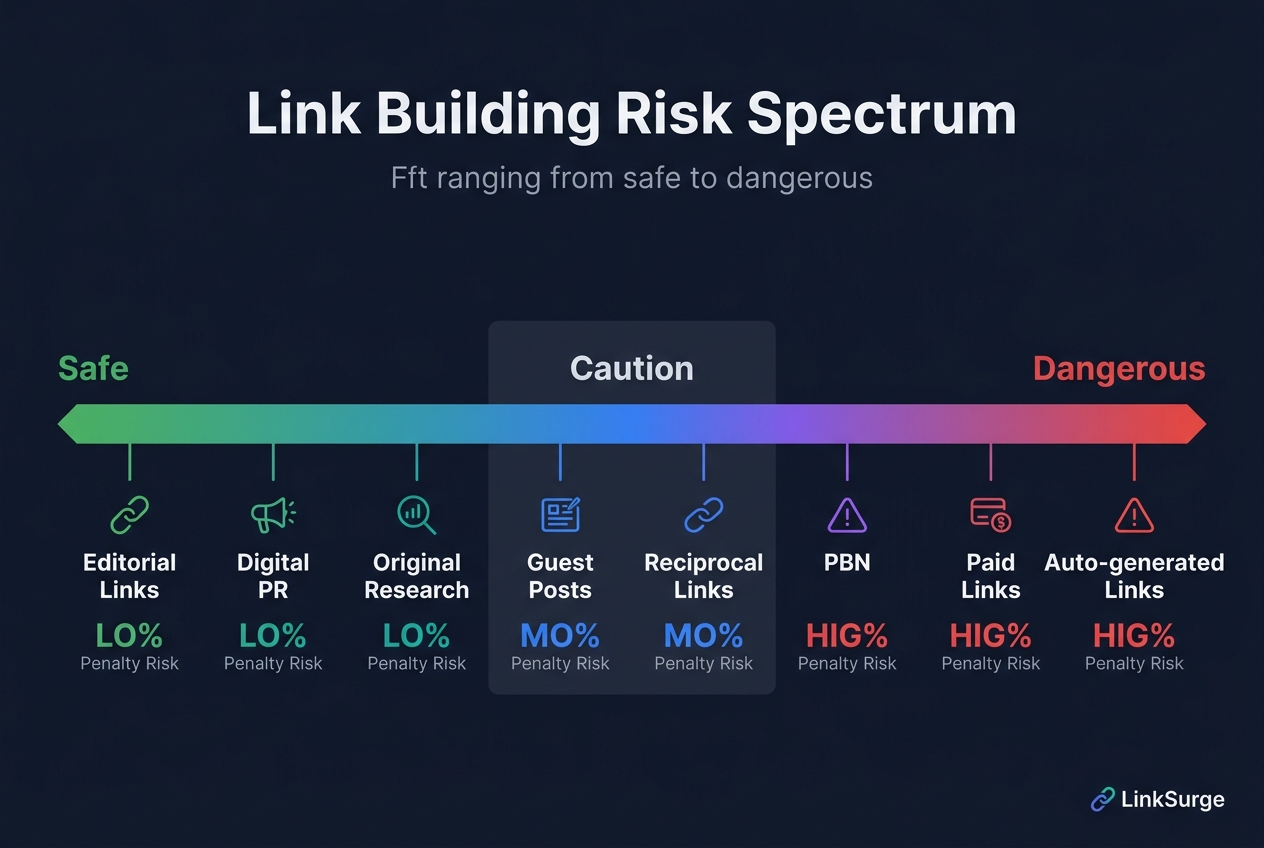
GSA SER campaign setupSchema is placed as an amplifier, not a silver bullet; it just provides worth when the underlying content, structure and user experience are already strong. The conversation shifts to offpage SEO and backlinks, where quality beats quantity every time. They contrast lowquality link farms with highauthority "premium" links from reliable publishers, emphasising that even nofollow links can drive powerful brand name awareness, recommendation traffic and perceived authority when positioned in the right context.
For regional brand names, they argue that ranking for regional intent inquiries is much more valuable than going after broad, national keywords that attract the wrong traffic and rarely convert. Rob and Jaz then explore how AI is altering search behaviour, with users now browsing in more conversational, question-led methods across social platforms and LLMs like ChatGPT, Perplexity and Copilot, as well as Google.
This naturally leads into Generative Engine Optimisation (GEO): optimising so your brand name is cited or advised inside AI responses and Google's AI Overviews. Practical GEO ideas include doubling down on longtail, questiondriven, informative content, using clear structure and schema, and building reputable offsite signals that appear consistently wherever AI systems search for supporting proof.
The hosts argue against lazy, completely produced copy, placing AI as a support tool for research, outlines, drafts and schema scaffolding instead of a replacement for subjectmatter knowledge and brand name perspective, and advise an "80/20" split for 2026: around 80% humandriven method and improvement, backed by 20% AI support. Measurement in an AIdriven landscape is another key style, with a push to look beyond vanity metrics like raw traffic and overall backlinks.